
Surprise Law Case
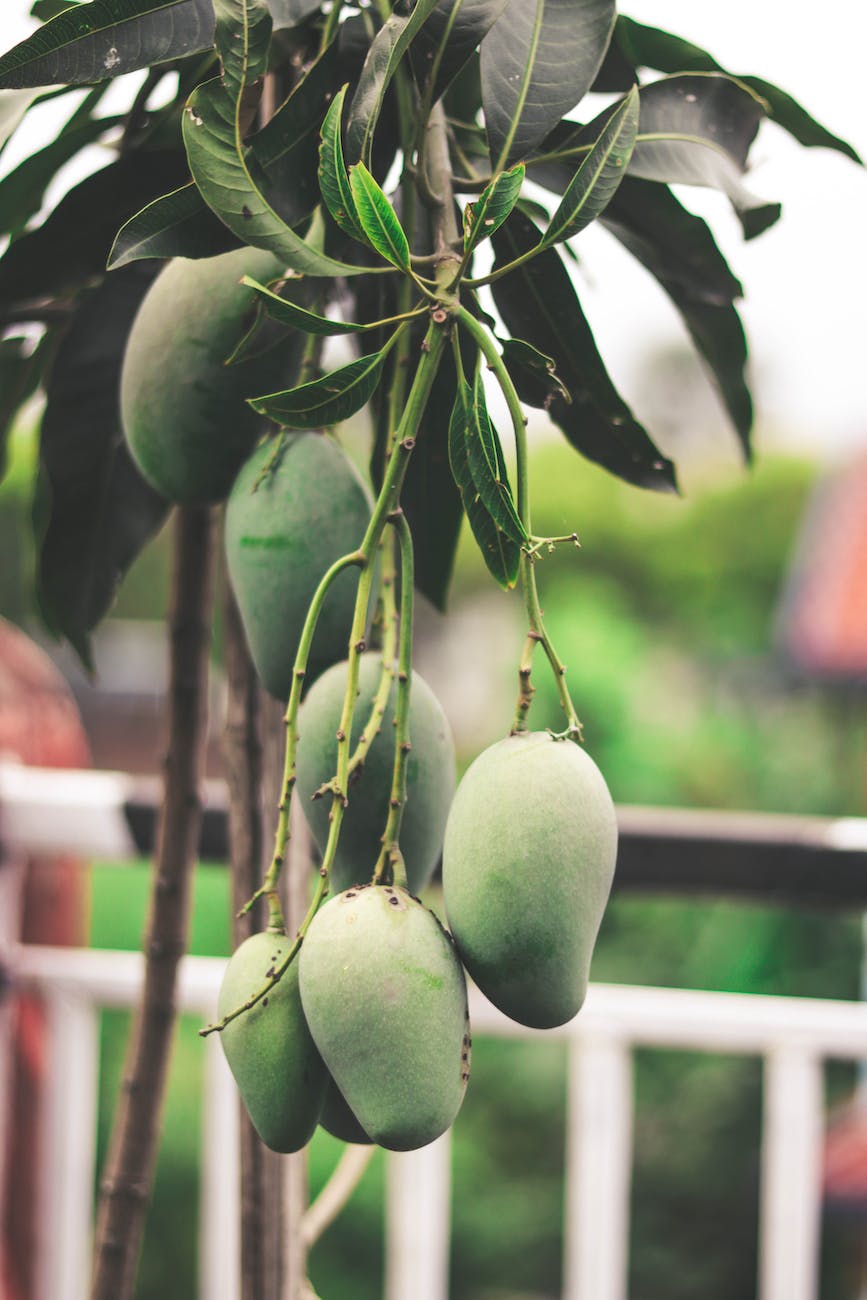
Raj Patil walked through his ripening crops of alphonso mangos. It was that time of the year when crops flowed to the markets through intermediatory merchants to the rest of India and the world, and he’d offered puja that morning to prevent an early monsoon interfering with the latter part of the harvest. Once the monsoon started that was the end of the season.
Raj was followed by his foreman and a couple of servants carrying drinks and snacks in a tiffin when the sahibs paused to rest after a morning of inspection and instructions. The plantation was vast in the hinterland of Ratnagiri in the Konkan district of Maharashtra.
Raj remembered his childhood clearly following his father on these tours and he’d performed that same ritual during his growing years. He barely remembered his grandparents though pictures of their Patil ancestors adorned the walls of their bungalow, the more ancient were paintings of long ago with their fierce beards and mustaches and clothes of another era. Some of those memories were best forgotten from his childhood days as his father had been distant and exacting in his dealings with both he and his sister. He was a child when his mother died, and father had not taken another official wife. He’d been raised by servants and private tutors until sent away to boarding school in Mumbai to get an education suitable for his taking over of the plantation when his father passed away.
He understood from servants his mother had been from a well-connected and high-born family in Pune but had no contact with them in his growing up years. His faint memories of his mother were of a sickly woman confined to her room and only visited by their servants with Susheela being the contact between mother and children. Susheela was the one to go to for his sister Asha and Raj when they needed comfort or care, and she treated them the same way a mother would.
The rest of the servants deferred to Susheela including Mohan who was assigned by Grandfather Patil the nominal servant in charge, but they all knew who really was in charge as she was the only one to be assigned a small back room in the bungalow while the rest lived in servants’ quarters at the back of the bungalow. It was whispered among servants that Raj’s father visited that room late at night and over the years Susheela produced two sons who were accommodated with those who occupied servants’ quarters but given special privileges under the watchful eyes of Susheela. As he grew, he realized these were his kin and father turned a blind eye to Raj and his sister playing with these two, but they were not permitted in the bungalow. He understood later as he matured that Susheela was not of their caste but to Raj, she was his substitute mother.
The town of Ratnagiri had a history those with local family roots spanning generations were proud of. Ratnagiri was a traveler’s dream destination with its majestic Sahyadri range and Arabian sea with pristine white beaches, cascading waterfalls, hot water springs palm groves, majestic monuments and the most famous, Alphonso mangoes. It also had magnificent forts built during the Maharashtrian hero Shivaji period and famous as the birthplace of Lokmanya Bal Gangadhar Tilak the great Indian freedom fighter.
Once the city was an administrative capital under the Sultan of Bijapur with his preserved fort later reconstructed by the Marathi hero Shivaji in 1670. The only dark memory was the takeover of this kingdom in 1818 by the British who in 1886 exiled the Burmese king Thibaw with his family to the city but the city had moved on from that colonial era and was a bustling modern commercial center now.
Raj turned to his foreman Anupan. This was Susheela’s eldest son and while there was still some reserve in public between them due to caste Raj considered Anupan more than just a foreman. Anupan treated Raj publicly with the respect due a sahib but had an unshakable loyalty because of an unmentioned but understood special family bond through their mother and considered himself a Patil. Susheela’s other son Sharad had been similarly treated better than the rest of the employees and Raj had built a comfortable house for the two brothers with their wives to share much to the jealousy of other servants too fearful of their jobs to put their jealousy into words. Sharad was the replacement for Mohun who was long retired as the bungalow in charge and he ruled with a rod of iron to see Raj’s every comfort was attended to and was custodian of their plantation equipment supervising its maintenance and availability. Their mother Susheela now aged still occupied a room in the bungalow and was waited on as unofficial queen mother. She’d moved to larger quarters since Raj had taken over family affairs on the death of his father.
Raj understood the problems caused through inter caste marriage and even though the constitution of India trumpeted equality for all citizens regardless of caste the facts were nothing had changed in attitude toward caste though there was an uneasy truce between the various levels of society in their modern world.
Even among the Indian diaspora in Western Countries it was a fact of life in Indian communities there. For that reason, Raj had hesitated to marry. What would happen in the home should he marry one of his own? Would there be conflict because Susheela occupied a room in the home and was treated as the mother figure. Raj treated her with the respect due a mother even though she was not his real mother and there would be fireworks and upset the harmonious balance he’d created affecting the relationship between his substitute mother and half-brothers. This in turn would affect the well-oiled organization of this mango estate plantation.
When alive his father had produced several potential marriage alliances with wealthy families, but Raj had refused and there’d been terrible arguments and sometimes blows to get his son to see reason. His sister Asha had submitted to her father’s marriage arrangement when she turned eighteen meekly and it had worked out. She was now happily settled in Mumbai and produced a son. What was Raj his son thinking! The Patil name had to continue and that could only happen in a marriage to a woman of his father’s liking and caste level. How could he be happy to pass the responsibility for this valuable family asset to his son Raj who couldn’t think clearly.
But despite the father’s frustration Raj proved to be a better administrator than his father as he matured, and father reluctantly eased his reins of control over the property as he saw family fortunes grow under the direction of his talented son. He was also secretly pleased to see Anupan and Sharad given responsibilities while preserving caste face publicly in the process. Father Patil genuinely loved Susheela in his own imperfect way though did not have courage enough to make her his wife. Everyone knew what was going on and winked their eye at the liaison if it was not made official for the extended family would lose face and treat him as an outcast. That would be too terrible for the senior Patil to face up to being an outcast from the Patil clan.
These thoughts had been going through Raj’s mind as he made his careful inspection of the property. He did this a couple of times a week to keep up with the progress of the ripening of his alphonso crop. His primary work was negotiating payment for the crop in advance as wholesalers vied with each other over gaining access to crops on each plantation. He enjoyed seeing money flowing into his bank to keep the estate running and keeping in touch with those successful wholesaler bidders informing them of potential delivery dates. Then there was the acquiring of all the plantation raw materials needs a year in advance and making sure delivery schedules were met by suppliers on a month-by-month basis along with facilitating Sharad contracting labor as needed. Anupan his half-brother ran the plantation and did it well, being liberally rewarded for his work. Raj wanted to ensure Anupan and Sharad had sufficient to give their children a good education and set them up in life when they matured.
Raj indicated they should pause their inspection under the halfway banyan tree for tiffin. It was a hot and steamy day. The accompanying servants quickly spread a mat watching carefully to see nag the resident cobra was not emerging from tree roots where there was a shine to nag to inspect the party entering his territory. The servants quickly provided each of the sahibs Raj and Anupan their food and flasks of limbu pani and stood to keep watch for nag while they consumed their food wrapped in banana leaf and aimed water from a bottle down their throats in customary fashion. Raj and Anupan discussed the crop as they relaxed before proceeding for the continued inspection toward the back of their property guarded by several chowkidars hiding among the trees to pounce on urchins from the village nearby who frequently tried their luck raiding the crop.
The property was well fenced but somehow these urchins would dig under the rock and clay fences or climb over the top despite the jagged glass pieces liberally cemented into the top of the fence. They covered the jagged glass with rags to protect themselves. Raj glanced back toward the bungalows and sheds in the distance near entrance to the property as he stood to continue their inspection indicated the servants should retrieve mat and empty tiffin containers. He tapped Anupan’s shoulder to get his attention pointing back along the road. There was a well-dressed woman talking with workers harvesting the mango crop behind them. She was unfamiliar.
“Who is that Anupan?”
Anupan spoke to the servants in the Konkan dialect. One was instructed to take the mat and tiffin containers back to the bungalow and the other to go find out who this woman was and report back. Both servants went running as instructed while Raj and Anupan watched. It was coming up to elections and the Communists had been lurking around talking with his workers trying to get them involved in their political aspirations. Was this one of them and how had they managed to get past Sharad who had his spies out watching everything that transpired around the estate. Sometimes they managed to get past the gates bluffing the watchmen at the gate they had business to be conducted at the bungalow office although Sharad had tightened control over the front gate considerably. The servant and this mystery woman engaged in conversation, and she accompanied the servant rapidly moving to catch up with Anupan and Raj. She approached the two men smiling. She studied the two men trying to determine which one was the boss.
“Sri Raj Patil?”
Raj stepped forward.
“What is your business here?”
“My name is Aswarti Nayar, and I’d like to talk with you about one of your workers.”
“I’m quite busy this afternoon Smt Nayar, you should have made an appointment at the office with my manager Sharad.”
Raj was trying to determine her accent. It was not the accent from the Nayar home territory in Kerala. Sounded more like the cosmopolitan Mumbai accent which was influenced by every language group from India who’d now occupied Mumbai because of its huge employment potential. The Nayar people were unique in India because of their history following the matrilineal system which was now banned. Raj knew of that history but had never met a Nayar before, so his curiosity was aroused.
Aswarti handed him her business calling card and Raj studied it before looking at her again.
“Aswarti Nayar consultant Laxmi Legal Services. What brings you here in connection with one of my workers Smt Nayar. Is one of them in trouble legally?”
“Well, I see you are busy Sri Patilji so would like to make an appointment with you so we can discuss this with you when you have time. Should I come here to your office, or will you be visiting Ratnigiri city soon? We could perhaps discuss this over a lunch at my expense if you will be in Ratnigiri. I’d like to get it off my case list as soon as possible.”
“Smt. Nayar, can I ask if you are representing the interests of the Communist Party? If that is the case, you’d better talk with my lawyer rather than me.”
Aswarti smiled pleasantly.
“Sri. Patil I never ask the political affiliation of my clients and for the record I’m a member of the Congress Party so you can relax. Now can I have that interview please?”
“It so happens I’ll be in Ratnagiri tomorrow on business Smt. Nayar and usually eat at Harsha Terrace Garden Restaurant at 1pm between business deals. Our foreman Anupan who is with me here accompanies me and I share all things with him. There is no need for you to pay for us as we have an account with the restaurant. We will listen to your concerns there and if I consider our plantation lawyers need to be involved, we will not make any commitments until they’ve been consulted.”
Aswarti smiled.
“I’m sure we can deal with this matter to our mutual satisfaction Sri. Patil.”
She turned to go, and Raj indicated the servant should see her to the gate and Anupan whispered on the way back he should find out from workers what this woman had been discussing with them.
To be continued
Copyright Notice
© Copyright 2023 Ian Grice, “ianscyberspace.” All rights reserved.
 ianscyberspace
For several years my dear friend I have very much enjoyed reading your stories. They have taught me things about other places in the world I would have never known otherwise. Some of the stories have brought me to tears and others have given me much laughter. I will be looking forward to reading the remainder of this great story and all others that you write. Thank you so much for sharing.
LikeLiked by 1 person
Thank you so much for your beautiful compliment. We have been friends for many years now and I appreciate that too.
LikeLiked by 1 person
I’m looking fwd to how this this story shapes up..you had me interested right from the start – can’t wait to see what the proposed meeting is about. Am enjoying learning about the Indian culture through your eyes.
LikeLiked by 1 person
This was an easy one to write Barb as I could see it all as I wrote.
LikeLike
An intriguing first chapter, Ian. I recently finished reading a book from a blogging friend where the setting was also in India. I enjoy reading about other cultures and look forward to the next chapter.
LikeLiked by 1 person
The state of Maharashtra in India was my home base for travel in the region for twenty years so this one was an easy one to write 🙂
LikeLiked by 1 person
That’s great!
LikeLiked by 1 person